What's inside
1
BPC-157
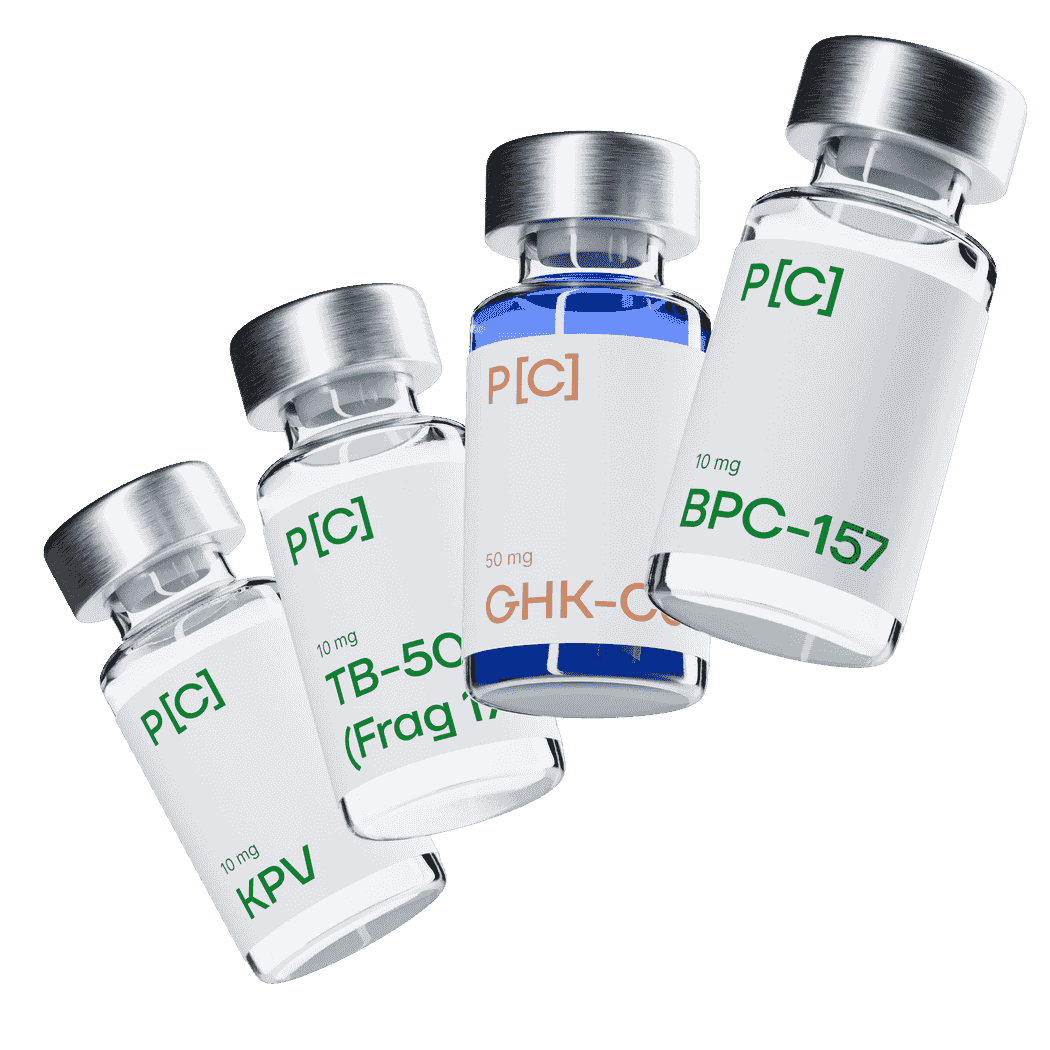
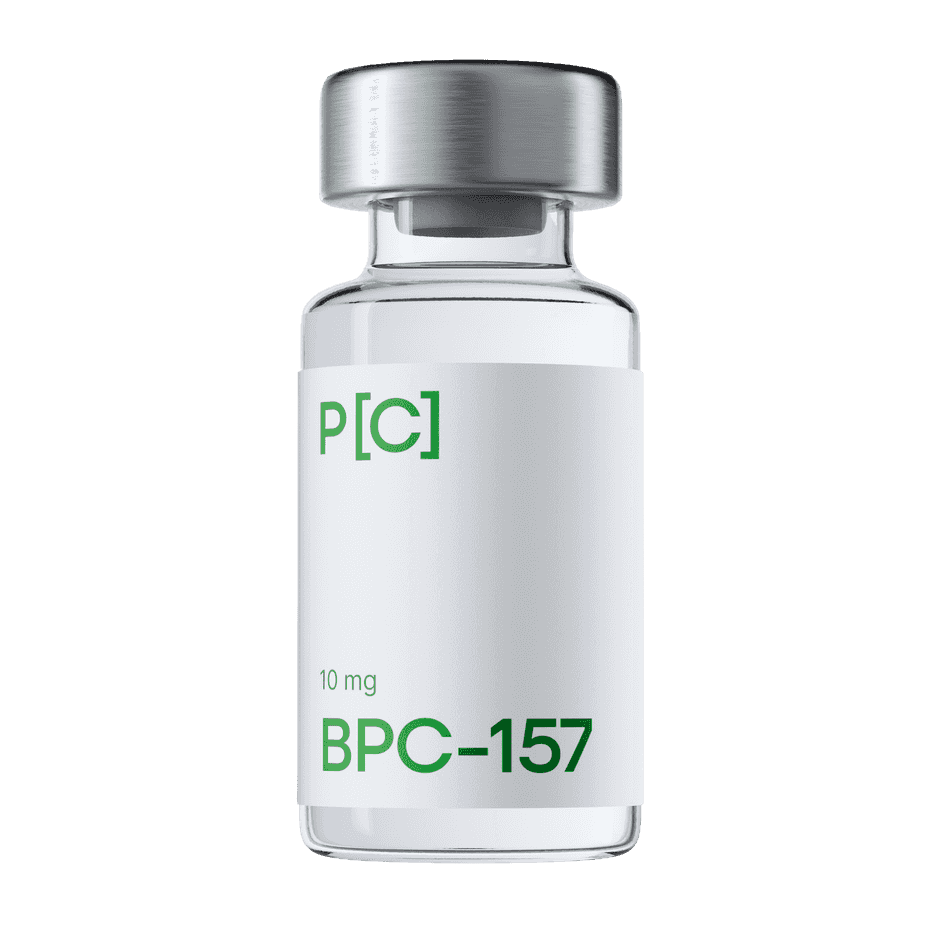
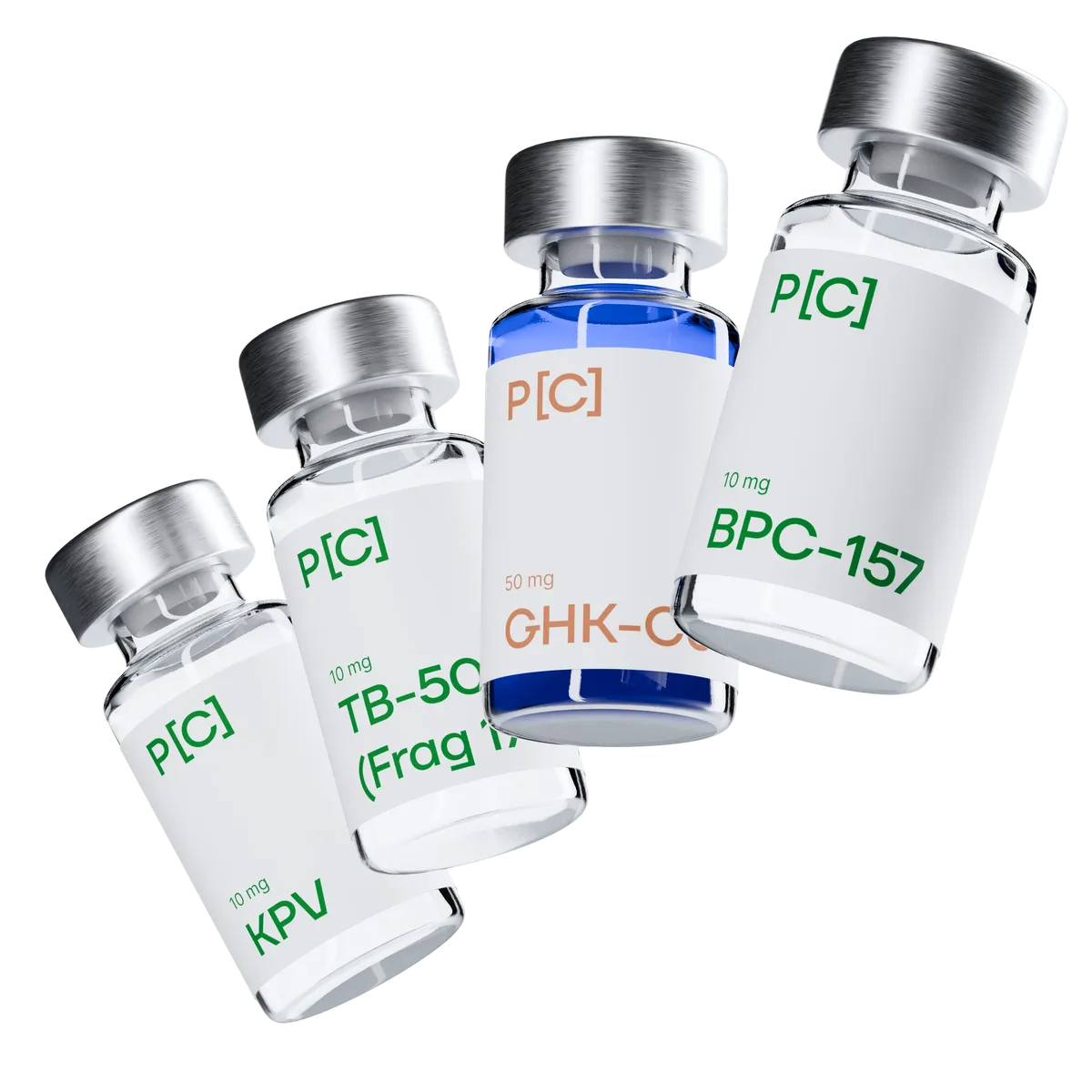
BPC-157 is studied as a repair signaling peptide that can shift how cells attach, move, and rebuild damaged tissue. In tendon explant and fibroblast systems, it is linked to focal adhesion signaling and cell migration behavior. In vascular endothelial systems, it is associated with VEGFR2-driven angiogenic signaling and nitric oxide related pathways that influence perfusion during healing.
2
TB-500
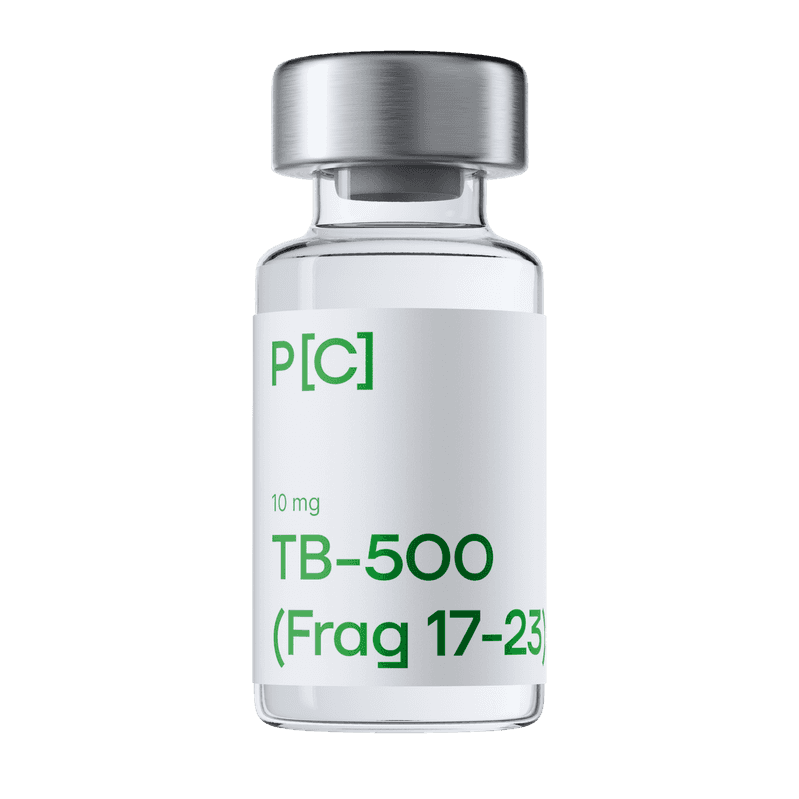
TB-500 is commonly discussed as Ac-LKKTETQ, a short fragment that maps to the actin-binding site within thymosin beta-4. In experimental systems, this motif helps researchers probe actin polymerization dynamics, which influences how cells migrate, attach, and organize repair scaffolding. Downstream readouts often include angiogenesis and vessel sprouting, plus inflammatory pathway modulation (for example NF-κB signaling changes).
3
GHK-CU
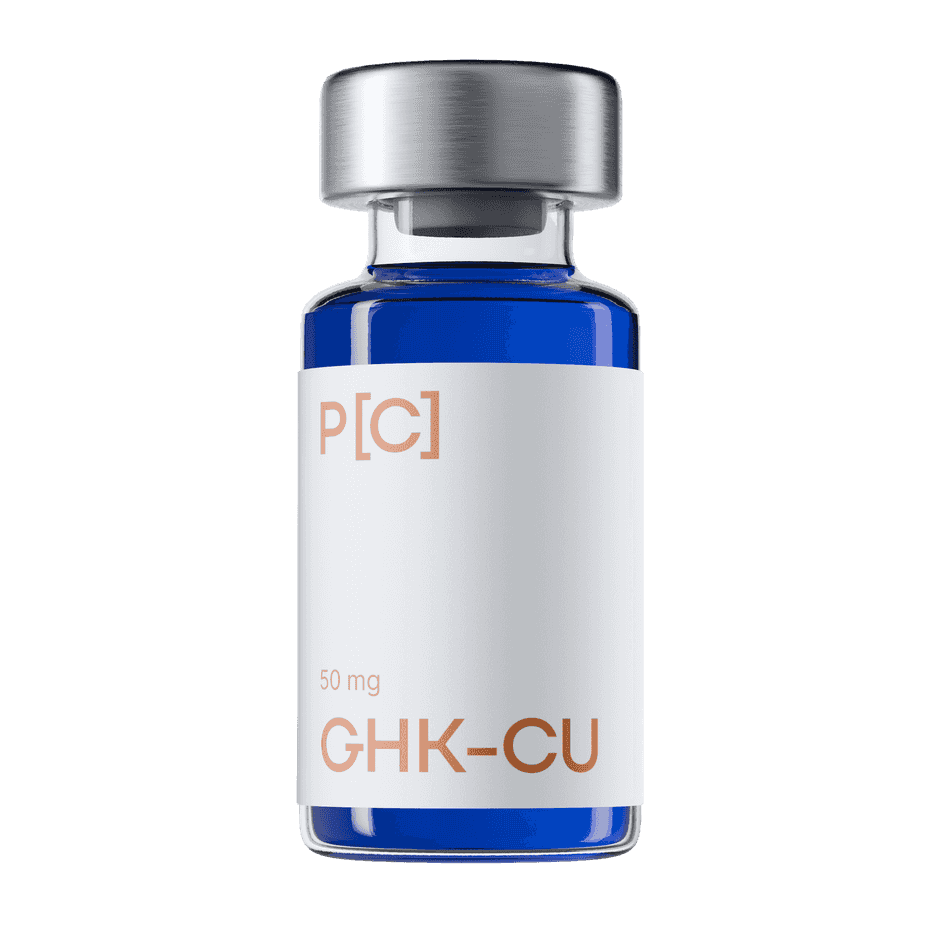
In experimental systems, GHK-Cu acts as a high-affinity copper-binding complex that can stabilize and shuttle Cu²⁺ in a more controlled redox context, influencing copper-dependent enzymatic activity and signaling. Reported readouts include integrin and TGF-β–linked regulation, changes in MMP-2 and extracellular-matrix turnover, and shifts in antioxidant and inflammatory-response elements in cell and animal models.
4
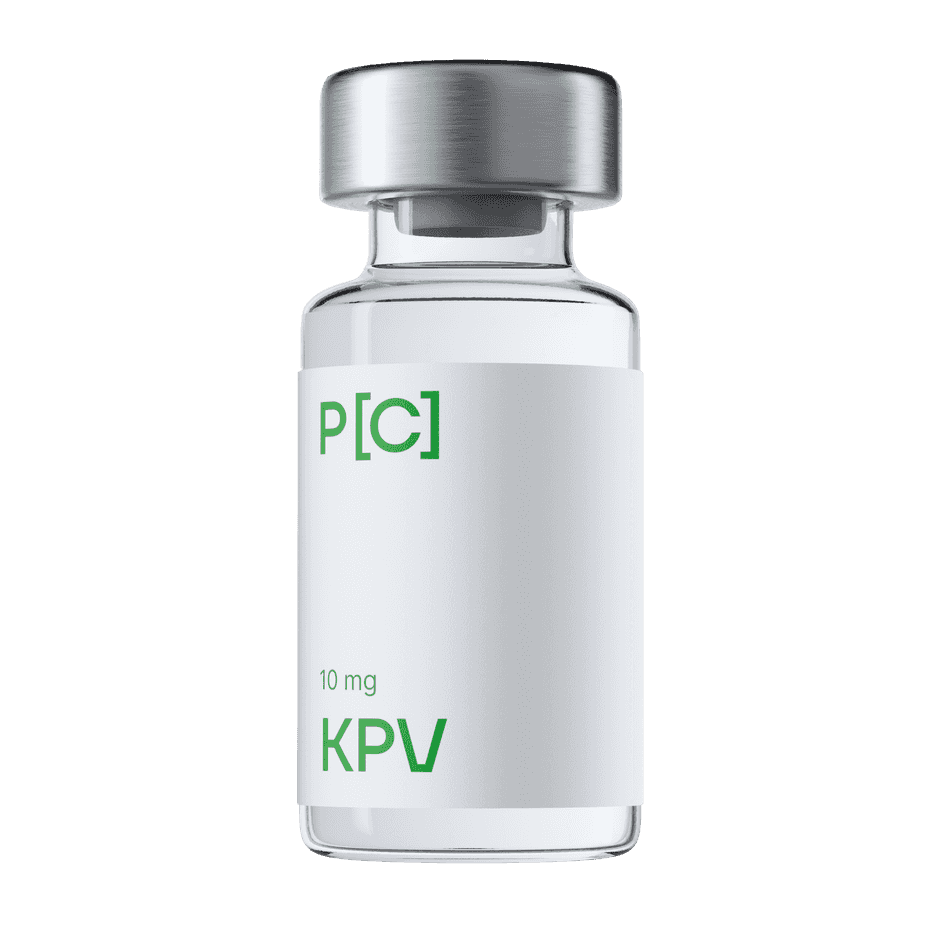
KPV
Across multiple preclinical systems, KPV has been studied as a transported tripeptide (via PepT1) that can reduce inflammatory signaling such as NF-κB and MAPK activation and lower downstream cytokine outputs. Separate inflammation models also suggest KPV’s anti-inflammatory effects can be partly independent of MC1R/melanocortin receptor signaling, implying additional mechanisms.
Areas of research
Area & performance
Description
Tendon & Ligament Recovery
9/10
How torn connective tissue knits back together — strength, collagen organisation, and structural integrity.
Anti-Inflammatory Signalling
9/10
How inflammatory cytokine pathways are modulated in tissue models — a primary research focus of KPV.
Gut Mucosal Resilience
9/10
How the stomach or intestinal lining resists chemical injury and recovers — studied across both BPC-157 and KPV literature.
Collagen & Extracellular Matrix
8/10
How collagen production and matrix organisation are regulated in skin and connective tissue — explored through GHK-Cu and BPC-157.
Muscle Repair
8/10
How a damaged muscle closes a defect and restores structure or function in injury models.
Blood Supply in Healing
9/10
How new capillaries form and blood flow returns after vessel injury or ischaemia.
Resources & citations
About peptides


-1.png)
Dr. Travis Hudon
MS
“BPC 157 shows promise in accelerating healing from injuries.”
We protect your purchases
01
Safety seal
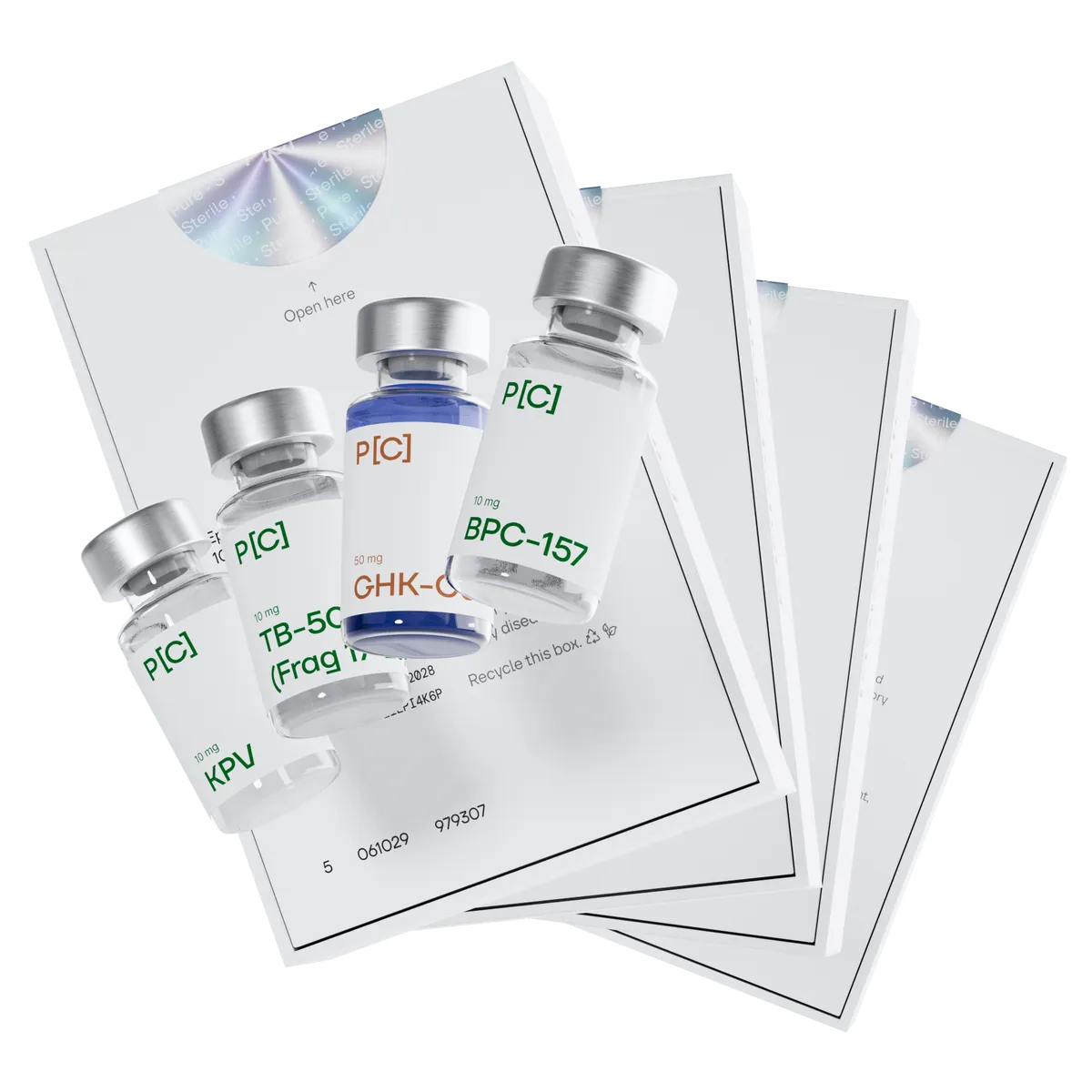
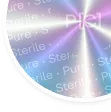
We make sure you are the first person to open the compound after its production. The seal means the compound is genuine, tested, and sterile.
02
Rigid packaging
Compounds of other peptide companies are delivered without boxes. Best case: a bubble wrap. We developed a box that keeps the vial protected at all times.
03
Batch number
The batch number is always accessible on the packaging and the vial. You can always cross-reference it with the data base of COAs on our website for the assurance.
01
Safety seal
We make sure you are the first person to open the compound after its production. The seal means the compound is genuine, tested, and sterile.
02
Rigid packaging
Compounds of other peptide companies are delivered without boxes. Best case: a bubble wrap. We developed a box that keeps the vial protected at all times.
03
Batch number
The batch number is always accessible on the packaging and the vial. You can always cross-reference it with the data base of COAs on our website for the assurance.
Get all the benefits
2-day EU delivery
ISO standard compliance
Verified >99% purity for every peptide
Proper -50°C warehouse & courier storage
Sterile production and packaging
Protective packaging
EU stores
Overseas suppliers